Guided Stargazing Experience in Montenegro

by | Dec 24, 2025 | Mindfulness, Stargazing

Every plant has more than one story. One of our special experiences at GEA is Tea Tasting, where we explore the medicinal properties of local herbs and discover how generations have relied on them to support different body systems.

But every plant tells more than one story. Alongside science, there is tradition. Alongside chemistry, there is symbolism. Alongside medicinal compounds, there are centuries of folklore, rituals and quiet beliefs passed from one generation to the next.

Whether we see them as medicine, companions, or simply beautiful living beings, herbs have always played an important role in our relationship with nature.

This article is not about what plants can do for us. It is about how people have understood, respected and connected with them for centuries. Perhaps by learning these stories, we begin to see the plants around us a little differently.

A gentle note: The medicinal uses described here are based on traditional herbal knowledge and should not replace professional medical advice. The folklore, symbolism, energetics, and rituals are shared as part of Europe’s rich cultural heritage and are offered as invitations for personal reflection and health prevention rather than proven therapeutic practices.

Sage (Salvia officinalis)

Medicinally

Traditionally used to soothe sore throats, support digestion, and promote oral health.

Harvest

Late spring to midsummer, before flowering, when the essential oils are at their strongest.

Folklore & Symbolism

Across the Balkans, sage has long been considered a sacred household herb. In many villages, it was burned after illness or before important family occasions, symbolising purification, wisdom, and protection. The Latin word Salvia comes from salvare, meaning “to heal.”

sage-gea-retreat-montenegro-tea-tasting

Ritual

Instead of using Palo Santo, many European traditions turned to dried sage. Light a small bundle, gently extinguish the flame, and allow the smoke to drift through your home while opening a window. As you move from room to room, reflect on what no longer serves you and what you wish to welcome instead.

Energetics

Associated with clarity, fresh beginnings, and releasing stagnant energy.

Reflection

What am I ready to let go of?

Linden (Tilia cordata)

Medicinally

Traditionally enjoyed for relaxation, emotional comfort, and supporting restful sleep.

Harvest

Early summer, when the fragrant flowers have just opened (mostly June and July).

Folklore & Symbolism

The linden tree has long been regarded as a sacred tree among Slavic peoples. Villages often gathered beneath its canopy to celebrate, solve disputes, and mark important life events. It became a symbol of peace, community, and the heart.

linden-gea-retreat-montenegro-tea-tasting

Ritual

Prepare a cup of linden tea just before sunset. Drink it slowly without distractions, allowing yourself to pause for ten quiet minutes before the evening begins.

Energetics

Associated with community, gentleness, emotional warmth, and compassion.

Reflection

Where in my life could I allow more softness?

Mint (Mentha spp.)

Medicinally

Traditionally used to support healthy digestion and bring a refreshing sensation to body and mind.

Harvest

Spring through early autumn, before flowering for the freshest flavour.

Folklore & Symbolism

Across the Mediterranean and the Balkans, mint has long symbolised hospitality and abundance. Fresh sprigs were placed on tables to welcome guests and brighten the home.

We usually add it to drinking water with slices of lemon – so refreshing and so Mediterranean.

mint-gea-retreat-montenegro-tea-tasting

Ritual

Place a few fresh mint leaves in a bowl of cool water near your workspace or wherever you like to think, read, or create. Let their fresh scent become a gentle reminder to pause, breathe, and return to the present moment.

Energetics

Associated with clarity, freshness, inspiration, and new beginnings.

Reflection

What needs a fresh perspective?

Yarrow (Achillea millefolium)

Medicinally

Traditionally used to support circulation, healthy digestion, and wound healing.

Harvest

Late spring through summer, while the flowers are fully open.

Folklore & Symbolism

Named after Achilles, who, according to Greek mythology, used yarrow to tend the wounds of his soldiers. In Balkan traditions, shepherds and travellers often carried yarrow as a symbol of protection and resilience.

yarrow-gea-retreat-montenegro-tea-tasting

Ritual

Tie a small bundle of dried yarrow with natural twine and place it somewhere you keep personal journals, letters, or meaningful objects. Let it become a quiet symbol of protecting your energy and honouring your boundaries.

Energetics

Associated with healthy boundaries, courage, and inner strength.

Reflection

Where do I need stronger boundaries?

Rosehip (Rosa canina)

Medicinally

Naturally rich in vitamin C and antioxidants, traditionally enjoyed to support the immune system.

Harvest

Late autumn, ideally after the first frost when the fruits become sweeter.

Folklore & Symbolism

Wild roses have long symbolised resilience and hope. Rosehips remain long after the flowers have faded, reminding us that beauty often transforms rather than disappears.

rosehip-gea-retreat-montenegro-tea-tasting

Ritual

Write the name of someone you love.

It can be: your partner, child, grandmother, dog, your younger self, your future self, your home, your garden…

Place the paper beneath your cup of warm rosehip tea. As you drink, simply spend a few quiet moments appreciating the relationship without trying to change or fix anything. Sometimes, love grows simply by paying attention.

Energetics

Associated with love, emotional openness, gratitude, vitality, and finding beauty after transformation.

Reflection

What brings colour back into my life?

Thyme (Thymus vulgaris)

Medicinally

Traditionally used to support respiratory health and the immune system, known as the breath of the Mediterranean.

Harvest

Just before flowering, when the essential oils are most concentrated.

Folklore & Symbolism

Ancient Greeks associated thyme with courage, while throughout the Balkans it became a cherished household herb representing vitality, strength, and protection.

thyme-gea-retreat-montenegro-tea-tasting

Ritual

Keep a small sachet of dried thyme beside your bed or desk. Whenever you face an important conversation or decision, pause, inhale its aroma, and take three slow breaths before beginning.

Energetics

Associated with courage, vitality, resilience, and trusting your own path.

Reflection

Where could I meet life with more courage?

St. John’s Wort (Hypericum perforatum)

Medicinally

Traditionally associated with emotional wellbeing, and even recognised by allopathic medicine for treating mild stress and depression. (Important: St. John’s Wort may interact with certain medications and should always be used with professional guidance.)

Harvest

Traditionally gathered around St. John’s Day (late June), when the flowers are in full bloom.

Folklore & Symbolism

Across much of Europe, including the Balkans, St. John’s Wort was believed to carry the warmth of the summer sun. It was often hung above doors and windows as a symbol of protection and light during darker seasons.

saint-johns-wort-gea-retreat-montenegro-tea-tasting

Ritual

Create a small bouquet of fresh or dried St. John’s Wort and place it near a sunny window for a few days as a gentle reminder to seek light even during life’s quieter seasons.

Energetics

Associated with inner light, optimism, protection, the quiet reminder that every season of darkness is followed by light, and reconnecting with the part of yourself that continues to shine, even in difficult times.

Reflection

Where can I invite more light into my life?

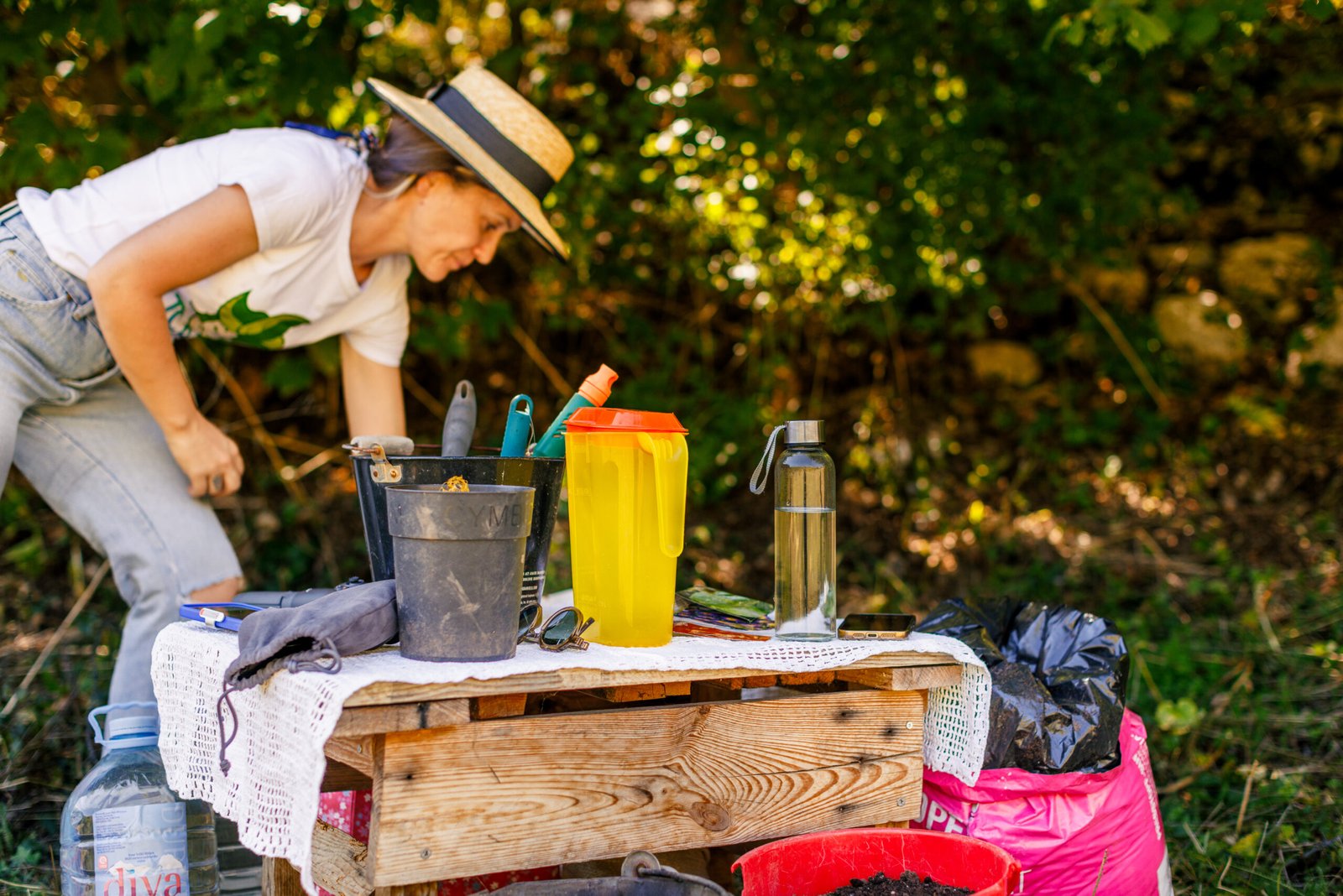
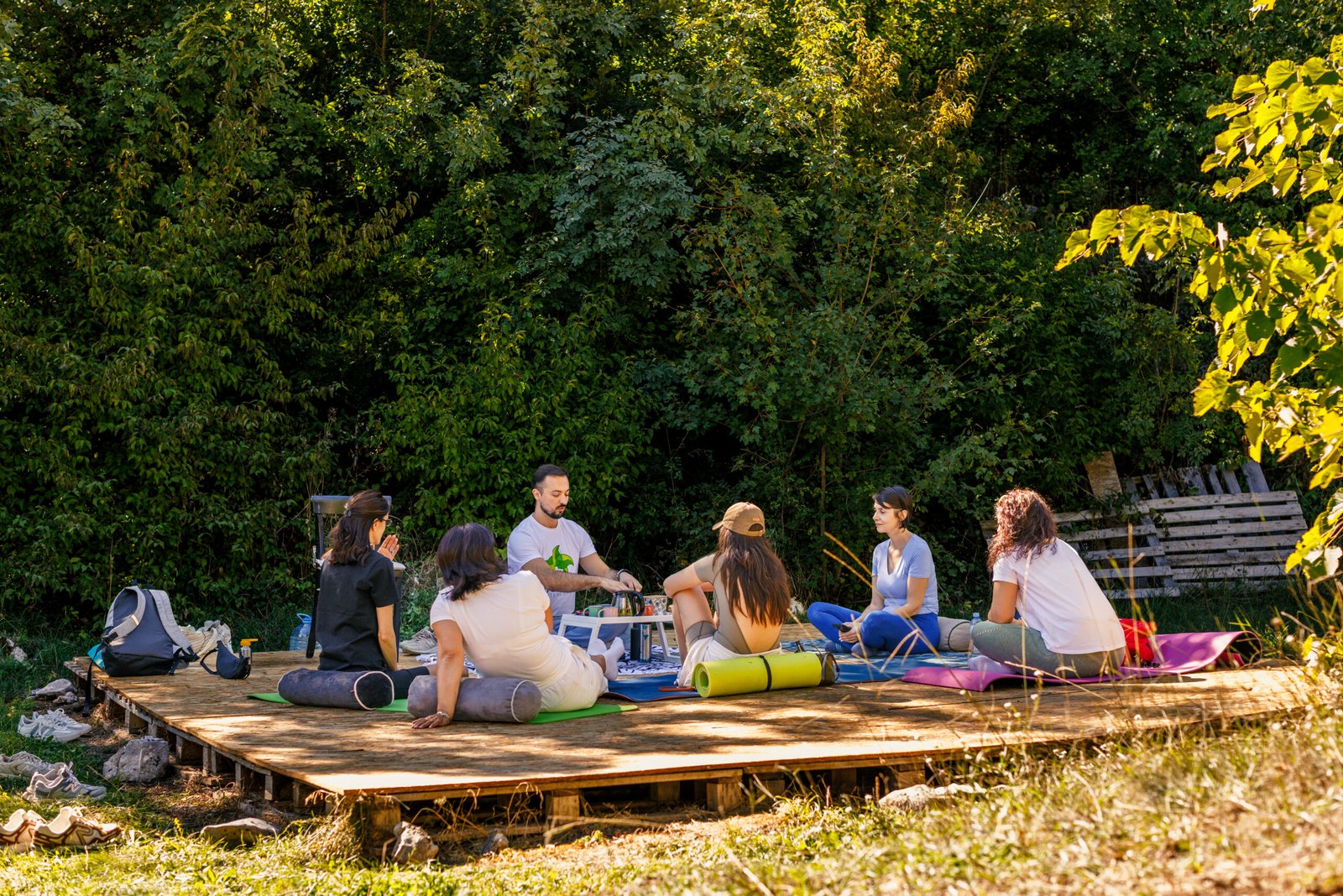
At GEA Retreat, Tea tasting is part of the majority of our programs, and that gives you a great chance to learn more about these plants, taste the tea made of local, wild, medical herbs, and include them in your health-prevention routines.